security guard test questions and answers pdf bc
Security Guard Test Questions and Answers (BC Focus) ― Article Plan
Navigating the BC security guard licensing process requires diligent preparation. Accessing relevant PDF resources, practice tests, and understanding core exam content
is crucial for success. This guide focuses on BC-specific materials, including PISA regulations and emergency protocols.
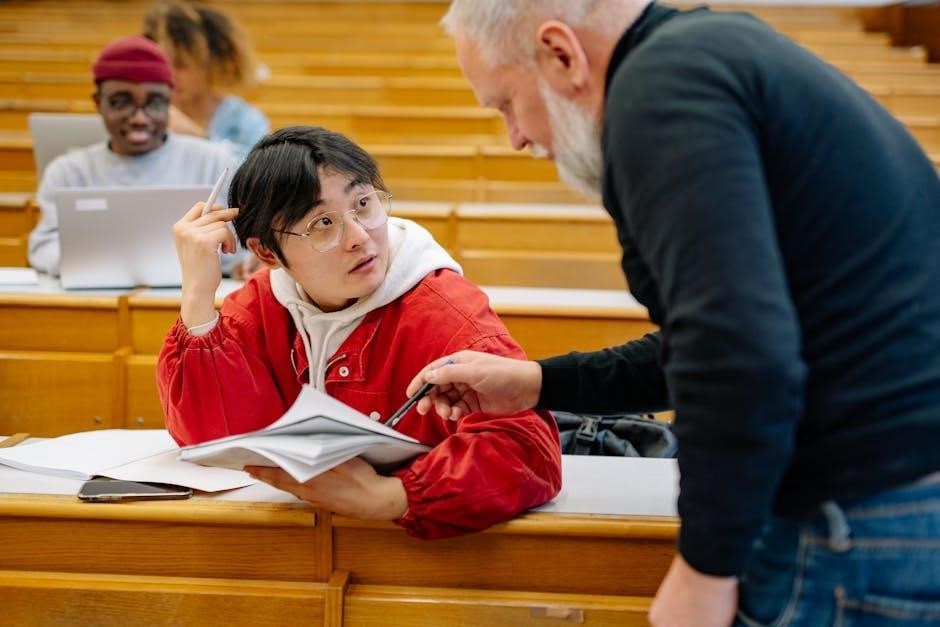
Becoming a licensed security guard in British Columbia demands a comprehensive understanding of provincial regulations and a successful completion of the required training and examination. The licensing process is overseen by the Security Industry Alliance of British Columbia (SIABC), ensuring that all security personnel meet established standards of professionalism and competence.
Aspiring security guards must first complete a Basic Security Guard Training course from an approved training provider. This course covers essential topics such as legal responsibilities, report writing, emergency procedures, and conflict resolution. Upon completion, candidates must pass a licensing exam administered by the SIABC. Numerous resources, including practice tests in PDF format, are available to aid in exam preparation.
The exam assesses a candidate’s knowledge of the Private Investigation and Security Act (PISA), relevant legislation, and practical security skills. Finding and utilizing BC-focused security guard test questions and answers PDF materials is highly recommended. These resources help familiarize candidates with the exam format and content, increasing their chances of success. A solid grasp of PISA and emergency protocols is paramount for passing the exam and becoming a licensed security guard in BC.
Overview of the BC Security Guard Exam
The British Columbia Security Guard Licensing Exam is a comprehensive assessment designed to evaluate a candidate’s readiness to perform the duties of a security guard effectively and responsibly. Administered by the Security Industry Alliance of British Columbia (SIABC), the exam primarily focuses on the Private Investigation and Security Act (PISA), related regulations, and practical security procedures.
The exam format typically consists of multiple-choice questions, true/false statements, and potentially scenario-based questions designed to test critical thinking and problem-solving skills. Accessing BC-specific security guard test questions and answers PDF resources is invaluable for familiarizing oneself with the question types and content areas. These practice materials often mirror the style and difficulty of the actual exam.
Key areas covered include legal responsibilities, emergency response, report writing, access control, conflict de-escalation, and use of force regulations. Candidates should prioritize studying PISA thoroughly, as a significant portion of the exam is dedicated to this legislation. Successful completion of the exam demonstrates a candidate’s understanding of their duties and obligations as a licensed security guard in British Columbia, paving the way for a career in the security industry.
Exam Content Areas: Core Knowledge
Core knowledge assessed on the BC Security Guard Exam encompasses a broad range of topics essential for effective job performance. A significant portion centers around the Private Investigation and Security Act (PISA), demanding a thorough understanding of its provisions regarding licensing, conduct, and enforcement. Utilizing BC-focused security guard test questions and answers PDF materials will greatly aid in mastering this crucial legislation.
Beyond PISA, the exam evaluates knowledge of legal principles relevant to security work, including criminal law, evidence, and civil liability. Emergency procedures, including first aid, fire safety, and disaster response, are heavily emphasized. Candidates must demonstrate proficiency in report writing, detailing incident documentation accurately and concisely.
Furthermore, the exam tests understanding of observation and patrol techniques, access control protocols, and effective communication skills. Conflict resolution and de-escalation strategies are vital components, alongside knowledge of appropriate use of force regulations specific to British Columbia. Familiarity with these core areas, reinforced through practice tests and study guides, is paramount for exam success and competent security practice.
Legal Responsibilities of a Security Guard in BC
Security guards in British Columbia operate under a strict legal framework, demanding a comprehensive understanding of their duties and limitations. The Private Investigation and Security Act (PISA) forms the cornerstone of these responsibilities, dictating permissible actions and outlining potential liabilities. Reviewing BC security guard test questions and answers PDF resources focused on PISA is essential for exam preparation.
Guards must adhere to criminal and civil laws, avoiding unlawful detention, assault, or any infringement upon citizens’ rights. A key responsibility involves protecting life and property, but this authority is not absolute. Understanding the boundaries of their power, particularly regarding use of force, is critical. Accurate and detailed report writing is legally mandated for documenting incidents and maintaining a clear record of events.
Security personnel have a duty of care to ensure the safety of those on the premises they protect. This includes identifying and mitigating hazards, responding to emergencies, and cooperating with law enforcement. Failing to fulfill these legal obligations can result in civil lawsuits or criminal charges. Thorough preparation using relevant study materials is vital for navigating these complex legal requirements.

The Private Investigation and Security Act (PISA) ⏤ BC
The Private Investigation and Security Act (PISA) is the foundational legislation governing security services in British Columbia. Understanding its provisions is paramount for anyone pursuing a security guard license and crucial for success on the licensing exam. Many BC security guard test questions and answers PDF materials heavily emphasize PISA’s requirements.
PISA outlines licensing requirements, permissible activities for security personnel, and establishes standards of conduct. It defines different classes of security licenses, each with specific scopes of practice. The Act also addresses issues like background checks, training requirements, and the responsibilities of security agencies. A core component of PISA is ensuring public safety and protecting individual rights;
Exam candidates should familiarize themselves with PISA’s sections on prohibited acts, such as providing legal advice or carrying prohibited weapons. Understanding the Act’s enforcement mechanisms and the penalties for non-compliance is also vital. Resources like PSISA quizzes (often available as PDF downloads) can aid in mastering PISA’s intricacies. Thorough knowledge of PISA demonstrates professionalism and commitment to ethical security practices.
Emergency Procedures and First Aid
A significant portion of BC security guard exam questions focuses on emergency response and basic first aid protocols. Candidates must demonstrate knowledge of procedures for handling various scenarios, ranging from medical emergencies to fire alarms and major disasters. Many “security guard test questions and answers pdf BC” resources dedicate substantial sections to this critical area.
Understanding the principles of incident command systems (ICS) is essential, including roles like incident commander and evacuation coordinator. Guards must know how to assess situations, activate emergency plans, and effectively communicate with emergency services. First aid training, including CPR and basic wound care, is often a prerequisite for licensing and frequently tested.
BC-specific exam materials will likely cover procedures for handling hazardous materials incidents and responding to active shooter situations. Familiarity with building evacuation procedures and the use of emergency equipment (fire extinguishers, AEDs) is also crucial. Practice tests often present scenario-based questions requiring candidates to apply their knowledge of emergency procedures. Knowing how to prioritize safety and minimize harm is paramount.
Report Writing and Documentation
Accurate and detailed report writing is a cornerstone of a security guard’s duties in BC, and a heavily tested area. “Security guard test questions and answers pdf BC” materials consistently emphasize the importance of clear, concise, and objective documentation of incidents. Candidates must demonstrate proficiency in creating incident reports, daily activity logs, and other relevant documentation.
Reports should include factual observations, avoiding speculation or personal opinions. Proper grammar, spelling, and punctuation are essential, as are accurate dates, times, and locations. Understanding the legal implications of report writing is crucial; reports may be used as evidence in legal proceedings. Guards need to know what information must be included, and what should be avoided.
BC-focused exam questions often assess a candidate’s ability to identify key details in a scenario and translate them into a well-structured report. Practice materials frequently include exercises where candidates are asked to critique sample reports or draft reports based on provided information. Maintaining confidentiality and adhering to privacy regulations are also key aspects of this skill set.
Observation and Patrol Techniques
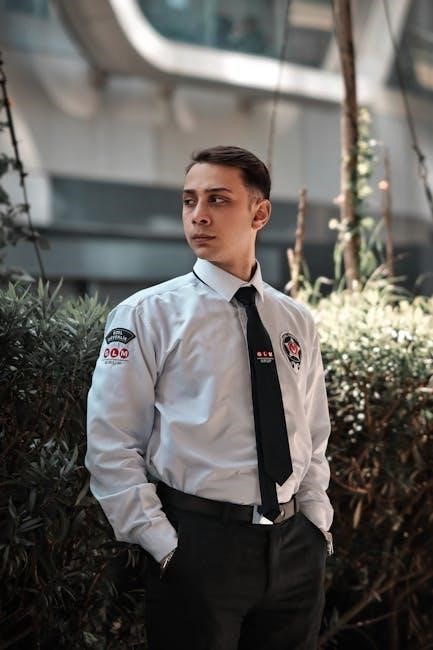
Effective observation and patrol techniques are fundamental skills for BC security guards, frequently assessed in “security guard test questions and answers pdf BC” resources. These skills are vital for deterring criminal activity, identifying potential hazards, and ensuring the safety and security of a property. Patrol routes should be varied and unpredictable to maximize their effectiveness.
Candidates must demonstrate an understanding of proactive observation – actively scanning the environment for suspicious activity, rather than passively waiting for incidents to occur. This includes recognizing signs of forced entry, unusual behavior, and potential safety hazards. BC-specific exam questions often focus on identifying vulnerabilities in a security plan and suggesting improvements to patrol routes.
Proper documentation of patrol observations is also critical, linking back to report writing skills. Guards should be able to articulate the purpose of different patrol techniques (e.g., foot patrols, vehicle patrols) and adapt their approach based on the specific environment and risk assessment. Understanding the importance of situational awareness and maintaining a vigilant mindset are key components of successful observation and patrol practices.
Access Control Procedures
Robust access control procedures are a cornerstone of security operations in British Columbia, and a frequent focus within “security guard test questions and answers pdf BC” study materials. These procedures dictate who is permitted entry to a facility and under what circumstances, safeguarding assets and personnel.
Understanding various access control methods is crucial, including keycard systems, biometric scanners, visitor logs, and physical barriers. BC security guards must be proficient in verifying identification, challenging unauthorized individuals, and responding appropriately to access control breaches. Exam questions often assess knowledge of proper visitor management protocols, including issuing temporary passes and escorting visitors.
Maintaining accurate and detailed access logs is paramount for accountability and incident investigation. Guards should be aware of the importance of preventing tailgating (following an authorized person without proper credentials) and other attempts to circumvent access controls. Furthermore, knowledge of emergency access procedures and the ability to quickly grant access to emergency personnel are vital skills, often tested in scenario-based questions;
Handling Conflict and De-escalation
Conflict resolution and de-escalation techniques are essential skills for BC security guards, heavily emphasized in “security guard test questions and answers pdf BC” resources. Guards frequently encounter tense situations requiring calm, professional intervention to prevent escalation into violence or legal issues.
Effective communication is paramount. This includes active listening, using a non-threatening tone, and employing open-ended questions to understand the root cause of the conflict. BC-specific training stresses the importance of recognizing and respecting cultural differences, as miscommunication can easily escalate situations. Guards must be able to identify potential triggers and employ strategies to diffuse anger and frustration.
De-escalation isn’t about winning an argument; it’s about achieving a peaceful resolution. Knowing when to call for backup, and understanding the limits of one’s authority, are critical. Exam questions often present scenarios requiring guards to choose the most appropriate de-escalation tactic, avoiding the use of force whenever possible. Maintaining personal safety while attempting to de-escalate is also a key consideration.
Use of Force Regulations (BC Specific)
BC’s regulations surrounding the use of force by security guards are strictly defined and a significant component of “security guard test questions and answers pdf BC” study materials. Unlike police officers, security guards have limited authority and can only use force in very specific circumstances – primarily for self-defense, the defense of others, or to prevent the commission of a criminal act.
The level of force used must be reasonable and proportionate to the threat faced. This means guards cannot use excessive force, even if they fear for their safety. BC legislation emphasizes de-escalation as the primary response, with force being a last resort. Understanding the legal definitions of “reasonable force” and “necessary force” is crucial for passing the exam.

Guards are required to document any use of force, including detailed reports outlining the circumstances, the level of force used, and any injuries sustained. Exam questions frequently present scenarios requiring candidates to determine if the use of force was justified under BC law. Improper use of force can lead to criminal charges and the loss of licensing.
Common Security Guard Test Question Types
Preparation for the BC Security Guard exam necessitates familiarity with the prevalent question formats found in “security guard test questions and answers pdf BC” resources. The exam predominantly features multiple-choice questions, assessing comprehension of legal responsibilities, emergency procedures, and practical security techniques.

True/False questions are also common, testing precise knowledge of PISA regulations and specific security protocols. These require careful reading and attention to detail, as subtle wording can alter the answer. Scenario-based questions present realistic security situations, demanding applicants to apply their knowledge to determine the appropriate course of action.
These scenarios often focus on conflict resolution, use of force, and report writing. Expect questions relating to access control, observation techniques, and first aid procedures. Practice tests, often available as PDFs, are invaluable for becoming accustomed to these formats. Mastering the ability to quickly and accurately analyze questions and select the correct answer is key to success. Understanding the weighting of different content areas will also help prioritize study efforts.
Multiple Choice Question Examples (BC Focused)
To illustrate the types of questions encountered on the BC Security Guard exam, consider these examples, often found within “security guard test questions and answers pdf BC” study materials.
Under the PISA, a security guard’s primary duty is to: (a) Apprehend criminals (b) Protect property and persons (c) Investigate crimes (d) Carry a firearm.
When responding to a medical emergency, a security guard should FIRST: (a) Administer first aid (b) Call for backup (c) Assess the scene for safety (d) Transport the injured person.
Which of the following is NOT a permitted use of force in BC? (a) Self-defense (b) Defense of others (c) Preventative detention (d) Defense of property.
A security guard observes suspicious activity; The MOST appropriate initial action is to: (a) Immediately confront the individual (b) Discreetly observe and report (c) Call the police (d) Ignore the activity.
These examples demonstrate the need to understand BC-specific legislation and practical security procedures. Practicing with similar questions will build confidence and improve exam performance.
True/False Question Examples (BC Focused)
Many “security guard test questions and answers pdf BC” resources include true/false questions designed to assess your understanding of key concepts. These require precise knowledge of BC’s regulations and security protocols. Here are some illustrative examples:
True or False: A security guard in BC is legally authorized to make an arrest without a warrant in all situations. (False) – Arrest powers are limited and specific.
True or False: Under PISA, security guards are required to report all criminal activity they witness to the police. (True) – Reporting is a fundamental duty.
True or False: A security guard can legally search an individual’s belongings without their consent, if they suspect a crime. (False) – Search powers are highly restricted.
True or False: Proper documentation of incidents, including detailed report writing, is crucial for legal and operational purposes. (True) – Accurate records are essential.
Successfully answering these questions demands a thorough review of BC’s security legislation and best practices. Familiarize yourself with the nuances of each statement to avoid common pitfalls.
Scenario-Based Question Examples (BC Focused)
“Security guard test questions and answers pdf BC” often feature scenario-based questions to evaluate your practical judgment and application of knowledge. These present realistic situations requiring you to choose the most appropriate course of action. Consider this example:
Scenario: You are patrolling a commercial property in Vancouver, BC, and observe an individual attempting to pry open a locked door after business hours. The individual appears agitated and is carrying a crowbar.
Question: What is the most appropriate initial response?

- Immediately confront and physically restrain the individual.
- Attempt to verbally de-escalate the situation while observing from a safe distance.
- Ignore the situation, assuming it’s a misunderstanding.
- Call for backup and immediately attempt an arrest.
The correct answer is (2). BC security guard training emphasizes de-escalation and observation before resorting to physical intervention. Scenario questions assess your ability to apply PISA regulations and prioritize safety. Mastering these requires understanding legal limitations and effective communication techniques.

Resources for Exam Preparation (BC)

Finding reliable “security guard test questions and answers pdf BC” resources is vital for success. The BC Security Class Licensing website provides the official curriculum outline and licensing requirements, serving as a foundational resource. Several training providers offer comprehensive courses, often including practice exams mirroring the actual test format.
Online platforms and study guides can supplement your learning. Look for materials specifically tailored to the BC licensing exam, focusing on PISA (Private Investigation and Security Act) regulations and provincial laws. Websites offering practice tests, like those mentioned in available document previews, can help identify knowledge gaps.
Remember to verify the credibility of any downloaded PDF materials. Ensure they are current and aligned with the latest BC security regulations. Utilizing a combination of official resources, reputable training providers, and practice tests will maximize your preparation and confidence for the exam.
Where to Find Practice Tests & PDF Materials (BC)
Locating “security guard test questions and answers pdf BC” resources requires a targeted approach. While a definitive official practice exam isn’t readily available, several avenues offer valuable preparation materials. Websites hosting downloadable documents, like the “Practice Security Guard Test 01” in .doc, .pdf, and .txt formats, provide sample questions.
Training schools offering BC security guard licensing courses are prime sources. Many include practice tests as part of their curriculum, often closely resembling the actual exam’s style and content. Online searches using specific keywords – “BC security guard exam practice test,” “PISA quiz answers,” or “security guard test questions pdf” – yield various results.
Exercise caution when downloading PDFs from unfamiliar sources. Prioritize materials from recognized training providers or official government websites. Remember to cross-reference information and focus on understanding the underlying principles, not just memorizing answers. Thorough preparation is key to passing the BC security guard exam.