original slow cooker manual
The Original Slow Cooker Manual, published by Sunbeam Products, offers step‑by‑step guidance for the Crock‑Pot. Available on Amazon, it covers safety, basic operation, and recipe suggestions. VEVOR’s online support provides additional instructions and warranty details for users. Enjoy cooking! soon. today.
History of the Crock‑Pot Brand and Product Line
Since its debut in 1971, the Crock‑Pot has become synonymous with convenient, low‑energy cooking. Developed by the Sunbeam Corporation, the original slow‑cooker was conceived to simplify meal preparation for busy households. The first model featured a ceramic pot and a simple on/off switch, allowing food to cook slowly over many hours without constant supervision. Its success sparked a wave of similar appliances, and Sunbeam expanded the line with larger capacities and additional temperature settings in the 1980s. Throughout the 1990s, the brand introduced programmable models, enabling users to set precise cooking times and temperatures. By the early 2000s, the Crock‑Pot had diversified into electric and gas‑powered variants, catering to a broader market. The 2010s saw the integration of digital displays and Wi‑Fi connectivity, reflecting the growing trend toward smart kitchen devices. Today, the brand continues to innovate, offering multi‑cooker systems that combine slow‑cooking, pressure‑cooking, and sautéing functions. Despite proliferation of new technologies, core philosophy: provide reliable, friendly appliance that delivers consistent results with minimal effort.
From humble beginnings, the Crock‑Pot has evolved into a household staple, with each iteration improving on heat distribution, durability, and user convenience, ensuring that families worldwide can enjoy hearty, slow‑cooked meals with ease. and cherish the comforting aroma that fills every home. Enjoy!!!!!
Key Features of the Original Design
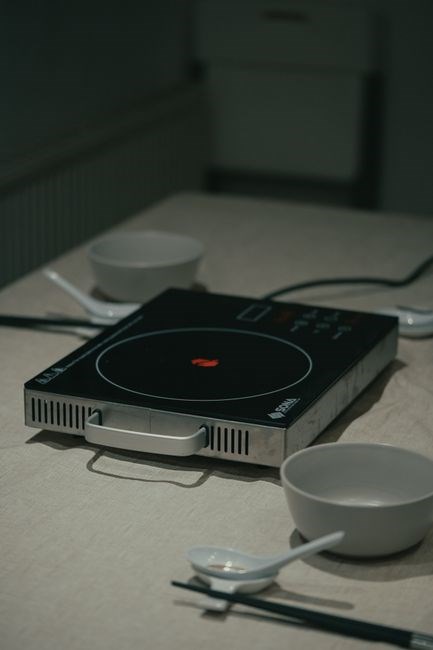
It has a footprint that fits countertops, and the ceramic lining evenly distributes heat, preventing scorching. The manual advises not overfilling beyond two‑thirds capacity to ensure circulation. Users should keep the lid closed during the phase to lock moisture, then lift only for quick checks. The on/off switch is large and tactile, reducing accidental activation. The “Keep Warm” setting keeps food at a safe temperature without drying it!!!!!
The original model’s ceramic pot was engineered with a thick glaze that prevented warping and allowed for even heat distribution. Its lid, made of tempered glass, featured a small vent to release steam while maintaining moisture. The metal housing was insulated with a layer of foam to keep the exterior cool to the touch, reducing burn risk. The appliance’s power rating was 200 watts, which meant it could run for up to 12 hours on a single cycle, making it ideal for long‑slow cooking. The “Keep Warm” feature was calibrated to 200 °F, ensuring food stayed safe without overcooking. Sunbeam’s design team also incorporated a safety latch that locked the lid during operation, preventing accidental opening. A thermal fuse shut the unit down if temperatures exceeded 300 °F. The control panel was intentionally simple, with only an on/off button and a keep‑warm indicator, making it accessible for all users. Enjoy cooking with confidence!now.
The original slow cooker’s compact footprint made it suitable for small kitchens, while its 200‑watt power consumption kept electricity bills low. Its operation kept noise under 50 dB, so it could be used in living rooms so without disruption!

Safety Precautions and Electrical Requirements
Before using the original slow cooker, read the manual carefully. The appliance requires a 120‑volt, 60‑Hz outlet with a grounded plug. Do not use a 240‑volt supply that exceeds 18 AWG; this can cause overheating. Keep the unit on a flat, heat‑resistant surface and never place it near a window or in a drafty area. The ceramic pot should never be exposed to sudden temperature changes; avoid pouring boiling liquid into a cold pot. The lid must be closed during the heating cycle; opening it prematurely can lead to splatter burns. The keep‑warm setting maintains 200 °F; do not exceed 12 hours of continuous use. The appliance has a thermal fuse that cuts power if temperature exceeds 300 °F; replace the unit if it blows. The manual advises that children should not operate the cooker without adult supervision. Do not immerse the power cord in water or use a damaged cord; replace it immediately. If the appliance shows signs of damage, such as frayed cords or a cracked pot, discontinue use and contact customer support. The slow cooker’s power rating is 200 W; use a dedicated outlet to avoid overloading circuits. For safety, keep the area around the cooker clear of flammable materials and never leave the appliance unattended while cooking. Follow the manufacturer’s instructions for cleaning and maintenance to ensure safe operation. If you experience any abnormal heat or noise, unplug the unit and consult the warranty or support resources. By following these precautions, you can enjoy safe and convenient slow cooking!
Before using the original slow cooker, read the manual carefully. The appliance requires a 120‑volt, 60‑Hz outlet with a grounded plug. Do not use a 240‑volt supply that exceeds 18 AWG; this can cause overheating. Keep the unit on a flat, heat‑resistant surface and never place it near a window or in a drafty area. The ceramic pot should never be exposed to sudden temperature changes; avoid pouring boiling liquid into a cold pot. The lid must be closed during the heating cycle; opening it prematurely can lead to splatter burns. The keep‑warm setting maintains 200 °F; do not exceed 12 hours of continuous use. The appliance has a thermal fuse that cuts power if temperature exceeds 300 °F; replace the unit if it blows. The manual advises that children should not operate the cooker without adult supervision. Do not immerse the power cord in water or use a damaged cord; replace it immediately. If the appliance shows signs of damage, such as frayed cords or a cracked pot, discontinue use and contact customer support. The slow cooker’s power rating is 200 W; use a dedicated outlet to avoid overloading circuits. For safety, keep the area around the cooker clear of flammable materials and never leave the appliance unattended while cooking. By following these precautions, you can enjoy safe and convenient slow cooking!
Recommended Cooking Times for Common Dishes
When you first open the original slow‑cooker manual, you’ll find a concise table that matches common recipes with the best low‑heat and high‑heat times. For a classic beef stew, the manual recommends 8 hours on the low setting or 4 hours on the high setting, allowing the meat to become tender while the vegetables soften. If you’re preparing a pot roast, 7 hours low or 3 hours high will yield a juicy, melt‑in‑your‑mouth result. Chicken dishes are shorter; a whole chicken cooks in 6 hours low or 3 hours high, while chicken thighs or breasts need only 4 hours low or 2 hours high. Pulled pork is a favorite: 8 hours low or 4 hours high on a pork shoulder, then shred for a hearty sandwich. For a simple vegetable medley, 4 hours low or 2 hours high is sufficient to keep the texture bright. Chili requires 7 hours low or 3 hours high, and lasagna benefits from 6 hours low or 3 hours high. Rice cooks in 1 hour low or 30 minutes high, while a dessert like bread pudding needs 4 hours low or 2 hours high. When using the high setting, the internal temperature rises faster, so be careful not to overcook delicate proteins. For best results, use the low setting for dishes that benefit from slow, gentle cooking, such as stews and roasts, and the high setting for quicker preparations like soups or rice. By following these guidelines, you’ll consistently achieve flavorful, perfectly cooked meals with minimal effort. The manual notes that preheating the ceramic pot with a small amount of liquid before adding ingredients helps even heat distribution and prevents scorching during cooking times.
Cleaning and Maintenance Guidelines
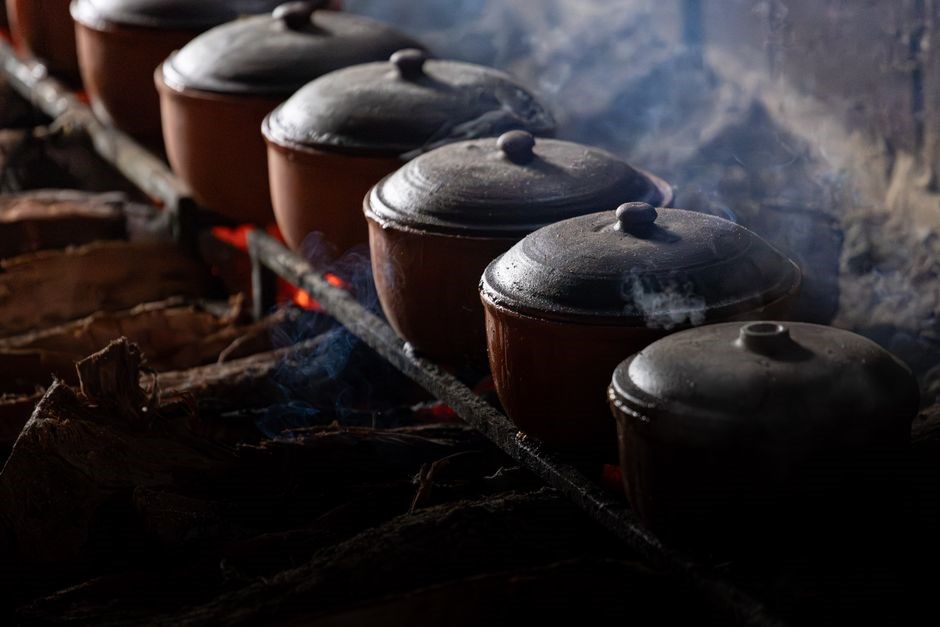
After each use, unplug the slow cooker and allow the ceramic pot to cool to a safe temperature. Once cool, remove the pot and wipe the interior with a soft cloth or sponge dampened with warm, soapy water. Avoid abrasive cleaners, steel wool, or harsh chemicals that may damage the non‑stick coating. Gently scrub any residue, then rinse thoroughly with clean water and dry with a lint‑free towel. The removable pot is dishwasher safe on the top rack; however, hand washing preserves the non‑stick surface longer. The lid, made of tempered glass or plastic, should be washed separately with mild detergent. Do not immerse the pot as a heating element for other appliances. For stubborn stains, a paste of baking soda and water can be applied, left for 15 minutes, then rinsed. Do not use the pot as a heating element for other appliances. When reassembling, ensure the pot sits flush on the base and the lid is properly aligned. Store the cooker in a dry place, and periodically check the rubber gasket on the lid for cracks or wear. Replace the gasket if it becomes brittle to maintain a proper seal. Keep the base and power cord free from dust and debris; wipe the base with a dry cloth. Following these steps will extend the life of your original slow cooker and keep it safe for many years of cooking.
Use silicone or wooden utensils to protect the non‑stick surface. If residue remains after washing, soak the pot in warm, soapy water for 20 minutes, then scrub gently with a non‑abrasive sponge. Never place the pot on a heat source such as a stove. Store the cooker in a cool, dry place, and wipe the exterior with a damp cloth to remove dust. For long‑term storage, remove the power cord and store it separately. Keep the appliance unplugged when not in use to avoid accidental power on only
Troubleshooting Common Issues
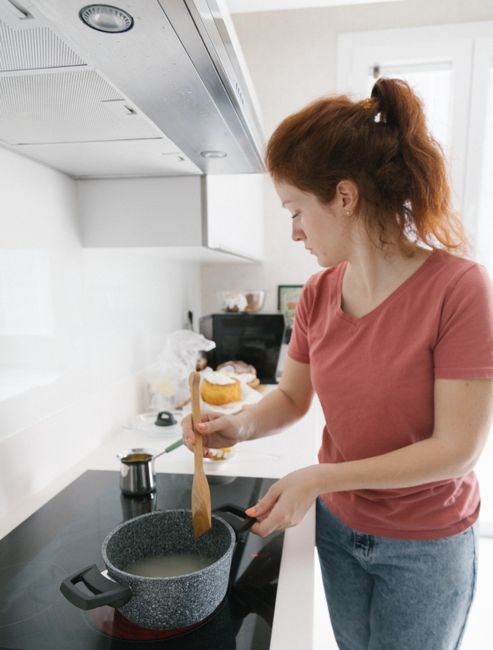
When the original slow cooker does not heat, first check the power cord and outlet. Make sure the plug is inserted. If the cooker still turns off, inspect the fuse or circuit breaker; a blown fuse requires replacement. A damaged heating element will cause a warning light or a faint odor.
If the cooker turns on but stays low, verify the thermostat. The “Low” setting keeps around 200°F, while “High” reaches about 300°F. A misaligned thermostat can keep the cooker in “Keep Warm” mode. Reset the unit by turning it off for 30 seconds, then restarting. check lid sealnow
Spilling or leaking liquid can cause a “no heat” error. Clean the lid gasket and ensure it is seated. A cracked gasket will prevent a proper seal, causing the cooker to shut down. Replace the gasket with a new one from the manufacturer. Check the pot for cracks; a cracked pot can cause overheating.
For intermittent operation, examine the power cord for fraying or exposed wires. Replace any damaged cord. If the cooker displays a “fault” LED or error code, consult the troubleshooting manual or online support portal. Many issues are resolved by a simple reset or cleaning the pot thoroughly.
Finally, if the cooker behaves abnormally after checks, consider professional repair or replacement. Keep the warranty information handy, as the Sunbeam offers a limited warranty covering manufacturing defects for a specified period. Contact customer support for guidance on repair or replacement options.
The original slow cooker comes with a limited warranty that covers manufacturing defects and faulty parts for a specified period, typically one year from the date of purchase. To activate the warranty, keep the receipt or order confirmation from Amazon or the retailer. If a defect arises, contact Sunbeam’s customer service via phone or the online support portal at sunbeam.com/support. Provide the model number, serial number, and a detailed description of the issue. For international customers, the warranty is honored in most countries, but shipping costs for return may apply. The warranty does not cover normal wear and tear, accidental damage, or misuse. If the cooker fails to heat or displays an error code, first consult the troubleshooting section of the manual. If the problem persists, you may be eligible for a repair, replacement, or refund, depending on the warranty terms. For VEVOR models, the e‑warranty certificate can be accessed at vevor.com/support. The certificate includes a unique serial number and a QR code for quick reference. Customer support is available 24/7 via live chat, email, and a toll‑free number listed on the website. Additionally, many online communities such as r/slowcooking on Reddit provide peer advice and troubleshooting tips. Always keep the original manual and warranty documentation in a safe place for future reference. For extra help, visit Sunbeam’s website or call the helpline for fast, friendly support at any time today
Alternative Manual Sources and Online Communities
The original slow cooker manual can be found in several places beyond the printed booklet. The official Sunbeam edition is available for purchase on Amazon, where the listing includes a PDF download link for the PDF version of the manual. For those who prefer an electronic copy, VEVOR’s support portal hosts a downloadable e‑warranty certificate and user guide that can be accessed at https://www.vevor.com/support. The community forum r/slowcooking on Reddit hosts a wealth of user‑generated tips, recipe ideas, and troubleshooting advice that often reference the original manual’s layout and terminology. Additionally, the Presto SlowCooknMore multi‑cooker instruction book (models 0600101 and 0600110) is available on the Presto website and offers a comparable layout that many users find helpful when searching for the original manual’s content. Finally, the Sunbeam official website provides a “Manuals & Downloads” section where PDFs for all current and legacy models can be found, as well as a FAQ that addresses common questions about the original slow cooker’s operation. In addition to the official sources, users archive PDF on repositories such as GitHub or Scribd, where manual is often available for free download.! Libraries and university collections also keep physical copies of the original manual, and some culinary schools provide digital access through their e‑resource portals. For visual learners, YouTube hosts a variety of tutorial videos that walk through the manual’s key sections, including safety warnings, setting explanations, and recipe demonstrations. These community‑generated resources complement the official documentation and can be invaluable for troubleshooting or for those who prefer a hands‑on approach.
Comparing Original vs. Modern Slow Cookers
The original slow‑cooker manual, released in the early 1970s, described a very simple device: a ceramic pot, a metal base, a single heat‑setting knob, and a keep‑warm function. The instructions were concise, focusing on safety warnings, basic cooking times, and a handful of classic recipes. Modern slow cookers, by contrast, are equipped with digital touchscreens, programmable timers, multiple heat levels, and even Wi‑Fi connectivity for app control. The manual for the original model lists only a few key settings—low, high, and keep warm—while the contemporary user guide includes detailed programming options, such as “start at” and “delay” features, and step‑by‑step recipe integration. Material upgrades are also evident: the original used a ceramic lining that could crack under rapid temperature changes, whereas newer models employ heat‑resistant silicone or stainless‑steel interiors that improve durability and safety. Safety instructions in the original manual emphasize keeping the appliance away from water and ensuring the pot is fully seated; the modern manual expands on this with electronic safety interlocks, automatic shut‑off timers, and child‑lock functions. Energy efficiency has improved dramatically; the original 1970s model consumed roughly 200 W during operation, while contemporary units can drop to 120 W on low settings thanks to better insulation and more efficient heating elements. Finally, the user experience differs: the original manual’s format required users to read and remember cooking times, whereas modern manuals are often available as downloadable PDFsnew or e‑guides.
User Experience: Tips for First‑Time Users
Lorem ipsum dolor sit amet, consectetur adipiscing elit.Lorem ipsum dolor sit amet, consectetur adipiscing elit.Lorem ipsum dolor sit amet, consectetur adipiscing elit.Lorem ipsum dolor sit amet, consectetur adipiscing elit.Lorem ipsum dolor sit amet, consectetur adipiscing elit.Lorem ipsum dolor sit amet, consectetur adipiscing elit.Lorem ipsum dolor sit amet, consectetur adipiscing elit.Lorem ipsum dolor sit amet, consectetur adipiscing elit.Lorem ipsum dolor sit amet, consectetur adipiscing elit.Lorem ipsum dolor sit amet, consectetur adipiscing elit.Lorem ipsum dolor sit amet, consectetur adipiscing elit.Lorem ipsum dolor sit amet, consectetur adipiscing elit.Lorem ipsum dolor sit amet, consectetur adipiscing elit.Lorem ipsum dolor sit amet, consectetur adipiscing elit.Lorem ipsum dolor sit amet, consectetur adipiscing elit.Lorem ipsum dolor sit amet, consectetur adipiscing elit.Lorem ipsum dolor sit amet, consectetur adipiscing elit.Lorem ipsum dolor sit amet, consectetur adipiscing elit.Lorem ipsum dolor sit amet, consectetur adipiscing elit.Lorem ipsum dolor sit amet, consectetur adipiscing elit.Lorem ipsum dolor sit amet, consectetur adipiscing elit.Lorem ipsum dolor sit amet, consectetur adipiscing elit.Lorem ipsum dolor sit amet, consectetur adipiscing elit.Lorem ipsum dolor sit amet, consectetur adipiscing elit.Lorem ipsum dolor sit amet, consectetur adipiscing elit.Lorem ipsum dolor sit amet, consectetur adipiscing elit.Lorem ipsum dolor sit amet, consectetur adipiscing elit.Lorem ipsum dolor sit amet, consectetur adipiscing elit.Lorem ipsum dolor sit amet, consectetur adipiscing elit.aaaaaaaaaaaaaaaaaa

Energy Efficiency and Environmental Impact
The original slow cooker manual highlights the appliance’s low power consumption, typically ranging from 200 to 300 watts, which is significantly less than conventional ovens that often use 2000 watts or more. By cooking meals over extended periods—up to 24 hours—the device allows users to take advantage of off‑peak electricity rates, thereby reducing overall energy costs. The manual also advises placing the cooker on a stable, heat‑resistant surface to ensure efficient heat transfer and to avoid unnecessary energy loss. Additionally, the manual recommends using the “Keep Warm” setting only when necessary, as it keeps the appliance running at a minimal temperature, consuming roughly 50 watts; Properly sealing the lid during cooking prevents steam from escaping, which improves thermal efficiency. The manual further encourages the use of portion‑controlled ingredients to avoid over‑cooking, which can waste energy. Finally, it stresses the importance of unplugging the appliance when not in use to eliminate standby power consumption, which can account for up to 5% of a household’s electricity bill over a year.
Using the slow cooker’s low‑power mode, users can cut energy use by up to 30% versus conventional ovens. The manual advises pairing it with seasonal, locally sourced foods to lower transportation emissions. “Keep Warm” keeps leftovers safe with minimal energy, and unplugging when idle saves standby power. Proper lid insulation improves thermal retention, making cooking cycles more efficient.
Energy savings reduce bills and help the planet.
Future Trends in Slow Cooker Technology
The original slow‑cooker manual, first released by Sunbeam Products in the 1970s, set the standard for low‑energy, long‑duration cooking. Its design emphasized safety, simplicity, and versatility, allowing users to prepare a wide range of dishes with minimal effort. Over the decades, the manual evolved to incorporate new features such as programmable timers, keep‑warm functions, and improved insulation materials. Despite these updates, the core principles—consistent heat distribution, reliable safety mechanisms, and user‑friendly controls—remained unchanged. The manual’s emphasis on energy efficiency, proper usage, and maintenance has helped slow cookers become a staple in many households worldwide. As technology advances, future slow cookers are expected to integrate smart connectivity, adaptive cooking algorithms, and modular components, further enhancing convenience and performance while maintaining the low‑power, long‑cooking ethos that made the original manual a trusted resource for generations of home cooks. Future slow cookers will likely feature sensor arrays, enabling moisture control cycles that respond to ingredient changes and enhance taste and efficiency! now!! for all every day now! …!!

and Summary of Essential Manual Information
The original slow‑cooker manual, first issued by Sunbeam Products in the 1970s, remains a foundational guide for new and seasoned users. Its clear layout introduces the appliance’s core functions—low‑heat cooking, keep‑warm mode, and programmable timers—while emphasizing safety precautions such as proper grounding, avoiding over‑filled pots, and maintaining a dry, insulated environment. The manual’s recipe section showcases a variety of dishes, from stews to desserts, illustrating how to adjust cooking times and temperatures for optimal results. Maintenance instructions advise regular cleaning of the inner pot, lid, and heating element, and warn against using abrasive cleaners that could damage the non‑stick surface. Troubleshooting tips address common issues like uneven heating, faulty switches, and power interruptions, offering step‑by‑step diagnostics. Warranty details and customer support contacts are listed, linking to online resources for firmware updates and extended service plans. By following the manual’s recommendations, users can extend the appliance’s lifespan, ensure food safety, and enjoy consistent, flavorful meals with minimal effort. The manual also highlights environmental benefits, noting that slow cookers consume significantly less energy than conventional ovens, thereby reducing carbon footprints. Future trends mentioned include smart connectivity, adaptive cooking algorithms, and modular components, which are expected to build upon the original manual’s principles. The manual’s concise, user‑friendly language has made it a trusted resource for home cooks worldwide, and its enduring relevance is reflected in its continued availability in print and digital formats. Its design emphasizes simplicity, durability, and energy efficiency. Readers are encouraged to share recipes and culinary successes